Parenting can feel overwhelming in 2026, but Parenting Guide Fpmomtips shows that small, consistent actions create happy, confident kids. Instead of chasing perfection, this approach focuses on connection, communication, and age-appropriate independence so your child feels loved, capable, and secure.
Whether you’re a first-time parent or raising teens, Parenting Guide Fpmomtips helps you build routines, handle discipline without negativity, and nurture emotional intelligence in a way that fits real-life American families.
What Is a Parenting Guide Fpmomtips?
Parenting Guide Fpmomtip is a modern, practical parenting framework designed to help moms and dads raise emotionally healthy, confident, and well-balanced children. It blends psychology, family routines, and mindful communication into simple steps you can use every day.
At its core, Parenting is built around four big ideas:
- Foundation and progress over perfection
- Love and connection before correction
- Consistency in routines and boundaries
- Compassion in every stage of development
Instead of rigid rules, it gives you guiding principles so you can adapt to your child’s personality, age, and unique needs.
Why Parenting Guide Fpmomtips Matters Today
Children today are growing up in a world of academic pressure, social media, and constant comparison. Many parents worry about anxiety, low self-esteem, and screen addiction. Parenting Guide Fpmomtips matters because it directly addresses these issues with concrete, science-aligned strategies.
You’ll see a shift when you:
- Replace yelling with calm, clear communication
- Swap punishment for positive discipline
- Trade comparison for confidence-building feedback
This method helps you raise kids who are not just well-behaved, but also resilient, kind, and self-assured.
Core Principles of Parenting Guide Fpmomtips
Parenting Guide Fpmomtips is anchored in a few non-negotiable principles that guide every decision:
1. Connection First
Children thrive when they feel seen, heard, and valued. Parenting Guide Fpmomtips teaches that a strong emotional bond is the foundation of good behavior and confidence.
Practical ways to build connection:
- Spend at least 15–20 minutes of distraction-free time daily
- Use eye contact, gentle touch, and open body language
- Listen without interrupting or immediately fixing the problem
When kids feel emotionally safe, they are more willing to cooperate and more open about their struggles.
2. Communication with Respect
Instead of barking orders, Parenting Guide Fpmomtips encourages respectful, two-way communication. The tone you use becomes your child’s inner voice, so the framework emphasizes:
- Active listening before responding
- Using “I” statements instead of blame
- Asking open-ended questions instead of lecturing
Example:
Instead of “Why are you always so careless?” try “I noticed your homework isn’t done yet. What got in the way today, and how can I help?”
3. Consistency Builds Trust
Consistency doesn’t mean being strict all the time; it means being reliable. Parenting Guide Fpmomtips shows that clear routines and predictable consequences help children feel secure.
Core areas for consistency:
- Bedtime and wake-up schedules
- Mealtime rules (e.g., devices off at the table)
- Screen-time limits
- Follow-through on consequences and rewards
When your child knows what to expect, anxiety drops and cooperation increases.
4. Compassion Over Control
Tantrums, backtalk, and mood swings are often signs of development, not defiance. Parenting Guide Fpmomtips reminds parents to view behavior through a compassionate lens.
Compassion looks like:
- Seeing meltdowns as chances to teach regulation
- Remembering your child’s brain is still developing
- Offering empathy before solutions: “This is hard, I get it.”
Compassion doesn’t remove boundaries; it makes them easier for kids to accept.
Parenting Guide Fpmomtips Across Ages and Stages
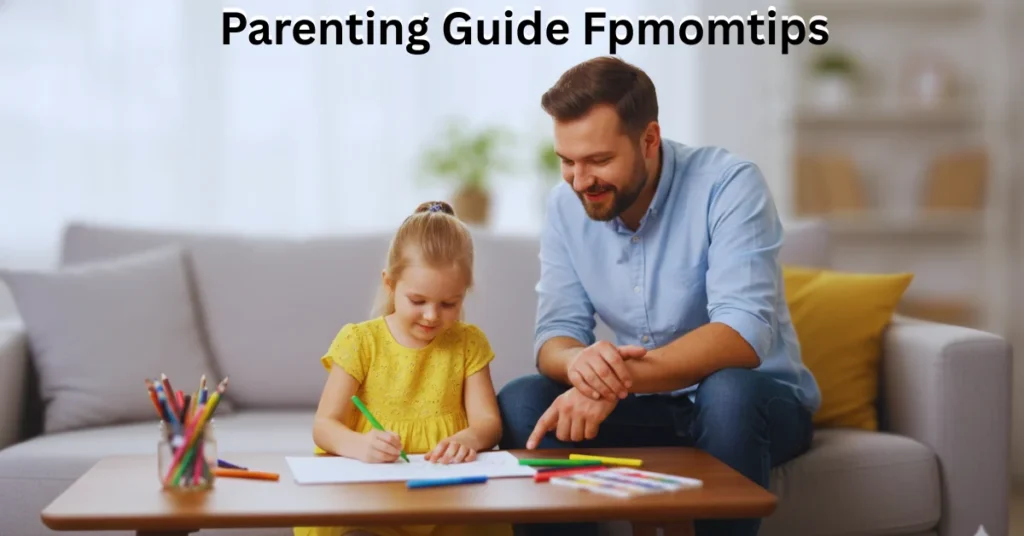
Children need different kinds of support at different ages. Parenting Guide Fpmomtips adapts to each stage so you can give your child the right level of independence and guidance.
Infants: Building a Secure Base
Focus on:
- Skin-to-skin contact and responsive care
- Soothing routines for sleep and feeding
- Calm voices and predictable patterns
Goal: Help your baby feel safe so trust and attachment form naturally.
Toddlers: Gentle Guidance and Independence
Toddlers test limits because they’re learning autonomy. Parenting Guide Fpmomtips suggests:
- Simple, clear rules: “We use gentle hands.”
- Choices with limits: “Red shirt or blue shirt?”
- Positive reinforcement: “Thank you for putting your toys away.”
This stage is perfect for starting basic communication skills and self-control.
School-Age Children: Responsibility and Confidence
Now, kids are ready for more responsibility. Parenting Guide Fpmomtips recommends:
- Age-appropriate chores (making the bed, setting the table)
- Homework routines with your support nearby
- Encouraging hobbies like sports, music, or art
Goal: Build self-esteem by letting kids see their progress and contributions.
Teens: Respect, Boundaries, and Trust
Teenagers need both space and structure. Parenting Guide Fpmomtips focuses on:
- Open conversations instead of lectures
- Negotiated limits on curfews and screens
- Supporting their identity and interests, even if they differ from yours
You shift from controlling every decision to guiding them toward wise choices.
Positive Discipline in Parenting Guide Fpmomtips
Discipline in Parenting Guide Fpmomtip is not about punishment or fear. It’s about teaching, guiding, and helping kids learn from mistakes.
Key techniques include:
- Natural consequences: If they forget a jacket, they feel cold once, then remember next time
- Logical consequences: If they spill, they help clean up
- “Pause and breathe” moments before reacting
Instead of shouting, you calmly explain:
- What went wrong
- Why it matters
- What to do differently next time
This approach reduces power struggles and encourages responsibility.
Building Confidence with Parenting Guide Fpmomtips
Confidence doesn’t come from telling kids they’re perfect. It comes from effort, practice, and the freedom to try, fail, and try again.
Builds confidence by focusing on:
- Praising effort, not just results
- Recognizing small wins every day
- Allowing children to solve problems on their own when safe
Sample phrases:
- “I’m proud of how hard you worked on that.”
- “You didn’t give up, even when it was difficult.”
- “What do you think you can try next time?”
These messages teach your child that they are capable and resilient, not just “good” when they succeed.
Screen Time and Modern Challenges
Modern parenting includes managing screens, social media, and online influences. Parenting Guide Fpmomtip takes a balanced approach, focusing on mindful use rather than rigid bans.
Practical strategies:
- Create screen-free zones like bedrooms and the dinner table
- Set time limits that fit your child’s age and schedule
- Co-watch when possible so you can discuss what they see
- Teach digital kindness and online safety from an early age
If you notice screens replacing family talk, it’s a sign to recalibrate.
Daily Routine Example with Parenting Guide Fpmomtips
Here’s how a typical weekday might look using this approach:
- Morning: Calm wake-up, quick check-in (“How are you feeling today?”)
- After school: Snack and 10 minutes of talking about the day
- Homework block: You’re available for questions but don’t take over
- Dinner: Devices away, everyone shares one good thing about their day
- Evening: Relaxing screen or family activity, followed by bedtime reading and connection
This rhythm isn’t rigid; it’s a flexible template you adjust to your family’s reality.
Common Mistakes Parenting Guide Fpmomtips Helps You Avoid
Many parents fall into patterns that unintentionally harm confidence and connection. Parenting Guide Fpmomtips helps you avoid:
- Constant criticism or comparison to siblings or classmates
- Inconsistent rules that change based on your mood
- Overprotecting so children never face manageable challenges
- Ignoring emotions or telling kids to “toughen up”
- Using shame or humiliation to control behavior
By replacing these habits with empathy, clear boundaries, and effort-focused praise, you build lasting self-worth instead of short-term compliance.
Tools, Options, and When to Seek Extra Support
Parenting Guide Fpmomtips also recognizes that some situations need extra help. You can use:
- Parenting books and guides that align with positive, respectful methods
- Journals to track your child’s mood, behavior, and triggers
- Simple grounding tools like deep breathing or “5 things I see” exercises
- Support groups or workshops (online or near you) for encouragement
If your child shows persistent withdrawal, extreme anxiety, or behavior that disrupts daily life, consider talking with a pediatrician, school counselor, or child therapist. Seeking help is a sign of strength, not failure.
FAQs
1. What is a Parenting Guide Fpmomtips in simple words?
Parenting Guide Fpmomtips is a practical, modern parenting approach that helps you raise happy, confident kids using connection, communication, consistency, and compassion in everyday life.
2. Is Parenting Guide Fpmomtips only for moms?
No, Parenting Guide Fpmomtips is for all caregivers—moms, dads, grandparents, and guardians—anyone who plays a role in a child’s daily world.
3. Can I use Parenting Guide Fpmomtips if I work full-time?
Yes. It was designed with busy parents in mind. Short, focused routines—like 15 minutes of undistracted time—fit into even hectic schedules.
4. Does Parenting Guide Fpmomtips allow discipline or is it too soft?
It absolutely allows discipline but uses positive discipline instead of harsh punishment. The focus is on teaching and guiding, not fear or shame.
5. How does Parenting Guide Fpmomtips build confidence?
By giving kids age-appropriate responsibilities, praising effort, listening to their feelings, and letting them learn from small mistakes in a safe environment.
6. What if my child is already anxious or has low self-esteem?
You can still start now. Use the tools to strengthen connection, validate their feelings, and celebrate small steps. If needed, combine this with professional support.
7. How long does it take to see changes with?
Every family is different, but many parents notice small shifts—less yelling, more cooperation, better communication—within a few weeks of consistent practice.
Conclusion
Parenting Guide Fpmomtips doesn’t promise perfect kids or perfect parents. Instead, it offers a realistic, compassionate roadmap for raising children who feel loved, capable, and confident in a challenging world. By focusing on connection, clear communication, consistent routines, and gentle but firm discipline, you turn everyday moments into opportunities for growth.
You don’t have to overhaul your life overnight. Start with one small change—a nightly check-in, a calmer tone, or five extra minutes of listening—and build from there. Over time, these simple steps shape not just your child’s future, but the emotional health of your entire family.

[Alex Turner] is a seasoned lifestyle expert and lead editor at ftalkzone.com with over 10 years of experience in home styling and family dynamics. Combining a decade of hands-on expertise in Home Improvement with deep insights into Celebrity trends, they deliver researched and reliable content that readers trust. Committed to editorial integrity, [Alex Turner] focuses on providing practical solutions that improve lives and keep you connected to the world of stars.