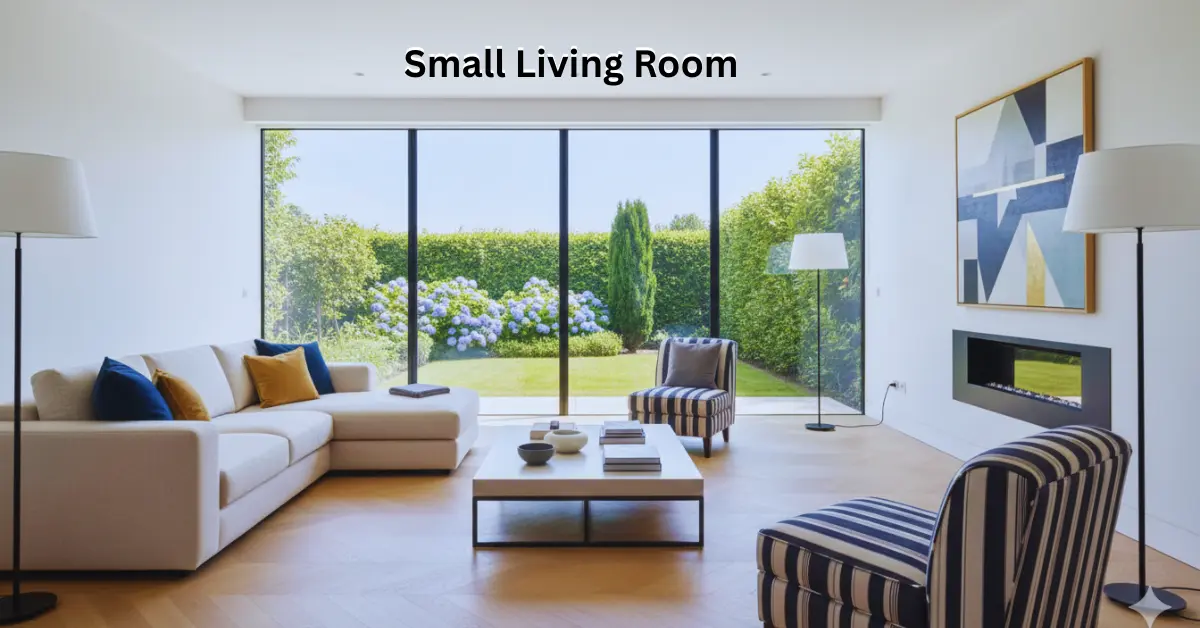
Making a small living room work for both everyday relaxation and entertaining guests feels like solving a puzzle with too many pieces and not enough space. You want a cozy spot to unwind after work but also a welcoming environment when friends come over. The good news? With the right approach to furniture selection, layout, and design choices, your compact space can handle both roles beautifully.
Understanding Your Dual-Purpose Challenge
Small living rooms demand furniture and layouts that adapt quickly. What works for solo Netflix marathons doesn’t necessarily accommodate eight dinner guests comfortably. The challenge lies in creating flexible arrangements that transition smoothly between daily use and social gatherings without requiring a complete room overhaul each time.
Most people make the mistake of choosing furniture based solely on aesthetics or daily comfort, forgetting that their space needs to expand when guests arrive. This oversight leads to cramped gatherings or guests perched awkwardly on armrests.
Start With Smart Space Planning
Before buying a single piece of furniture, grab a measuring tape. You need exact room dimensions, including doorway widths, window placements, and any architectural features that limit furniture placement.
Traffic flow matters more than you think. Maintain at least 36 inches of clear walkway space through your main pathways. This measurement ensures guests can move comfortably without squeezing between furniture or disrupting conversations.
Consider the focal point of your room—whether that’s a fireplace, a window with a view, or an entertainment center. Your furniture arrangement should enhance this feature, not compete with it.
Choose Multifunctional Furniture as Your Foundation
Multifunctional pieces are game-changers for small spaces, serving dual purposes. A storage ottoman provides seating, works as a coffee table with a tray on top, and hides blankets or board games inside. Nesting tables expand your surface area when entertaining, then tuck neatly together for daily use.
When selecting a sofa, look for apartment-size options between 72-84 inches long rather than standard 90-inch models. Choose designs with exposed legs that create visual lightness and make your floor visible, which tricks the eye into perceiving more space.
Consider a sofa bed or sleeper sectional if you occasionally host overnight guests. Modern designs have evolved beyond uncomfortable pull-outs—you’ll find stylish options with high-density foam that work perfectly for daily sitting.
Master the Layout Configurations with Small Living Room
Contrary to popular belief, pushing all furniture against the walls actually makes small living rooms feel smaller and less inviting. Floating your sofa 12-18 inches from the wall creates depth and allows you to use the space behind for a narrow console table or shelving.
For rooms around 12×14 feet, try an L-shaped conversation layout with your sofa along the longest wall and two lightweight accent chairs perpendicular. This arrangement seats 5-6 people comfortably for daily use and maintains clear pathways.
In square rooms measuring 10×10 to 12×12 feet, position a loveseat facing your focal point with two matching chairs opposite. Keep your coffee table narrow—18-24 inches from seating edges—to preserve movement space.
If you frequently rearrange for entertaining, choose modular pieces and lightweight chairs that one person can easily move. Avoid heavy sectionals that lock you into one configuration.
Build Flexible Seating Capacity
Your permanent seating in a small living room might accommodate 5-6 people, but what happens when you host 10? This is where flexible seating solutions shine.
Floor cushions stored in a closet or ottoman provide extra seating that doesn’t compromise daily living space. Folding chairs tucked behind a door or under a bed appear when needed, then disappear afterward. Stackable stools serve as side tables normally in your small living room, but become emergency seats during gatherings.
Poufs offer another versatile option for compact spaces. Choose square ottomans over round ones—they’re easier to group and create more stable seating surfaces in a small living room layout.
Expand Your Color and Lighting Strategy
Light, neutral colors reflect more natural light and create the illusion of expanded space. Soft whites, warm grays, and pale blues work particularly well. Paint your walls and trim the same color to eliminate visual breaks that chop up the room.
However, don’t fear all dark colors. A dark accent wall on your shortest wall can actually add depth and drama without overwhelming the space.
Lighting deserves as much attention as furniture. Layer three types: ambient lighting from ceiling fixtures (aim for 1,500-3,000 lumens in a 150-square-foot room), task lighting from reading lamps beside seating, and accent lighting that creates ambiance during gatherings.
Install dimmer switches or use smart bulbs. Bright lighting works for daily tasks, while dimmed warm light (2700-3000K) creates an intimate atmosphere when entertaining.
Maximize Vertical Storage Solutions
When floor space is limited in a small living room, look up. Floor-to-ceiling shelving units draw the eye upward and provide substantial storage without consuming valuable floor area. Wall-mounted cabinets keep everyday items accessible while maintaining clean surfaces.
Choose furniture with built-in storage for your small living room. Media consoles with drawers hide electronics and cables. Benches with lift-top compartments store seasonal items. Even your coffee table should work harder—opt for designs with lower shelves or hidden storage compartments.
Keep decorative items minimal in small living room spaces. Three larger statement pieces create more visual impact than fifteen small knick-knacks that make surfaces feel cluttered.
Create Surface Area for Entertaining
During gatherings, you need places for drinks, appetizers, and phones. Nesting tables solve this brilliantly—use the largest table daily, pull out the smaller ones when guests arrive.
A bar cart provides mobile serving space that wheels to wherever you need it. Ottoman trays convert soft seating into hard surfaces temporarily. Lap desks work well for casual floor seating situations.
Consider a wall-mounted fold-down table if your space connects to a kitchen or dining area. It creates a buffet surface during parties, then folds flat against the wall afterward.
Balance Comfort for Daily Living
While entertaining matters, you live in this space every day. Your sofa should have proper lumbar support and comfortable seat depth (20-22 inches for standard sitting, 24+ inches for lounging).
Position your TV at eye level when seated—typically with the screen center about 42 inches from the floor. Maintain a viewing distance of 1.5 to 2.5 times the screen diagonal measurement. A 50-inch TV works best when viewed from 75-125 inches away.
Keep charging stations accessible near seating. Side tables beside each seat hold drinks, phones, and books. A blanket ladder or basket provides easy access to throws for cozy evenings.
Navigate Budget Considerations with Small Living Room
Furnishing a small living room varies widely based on quality and sources. Budget-conscious approaches using retailers like IKEA and secondhand finds might cost $1,500-3,000 (£1,200-2,500, €1,400-3,000). Mid-range budgets allowing for quality anchor pieces typically run $3,000-7,000. Premium approaches with designer furniture range from $7,000-15,000.
Prioritize spending on pieces you use daily. Invest in a quality sofa—you’ll spend hours sitting there. Save money on easily replaceable decorative items like throw pillows or artwork.
Shop floor models for 20-40% discounts. Wait for seasonal sales around Memorial Day, Labor Day, or Black Friday. Mix high and low—pair an investment sofa with affordable side tables.
Avoid Common Decorating Mistakes with Small Living Room
Oversized furniture is the number one mistake in small spaces. That luxurious sectional might look perfect in the showroom’s spacious setting, but it’ll overwhelm your 12×12 room. Always measure doorways before purchasing—many people forget that furniture needs to fit through doors, not just in the room.
Don’t neglect lighting layers. A single overhead light creates harsh shadows and limits ambiance options. Add table lamps, floor lamps, and accent lighting for flexibility.
Resist matching everything. “Coordinated” doesn’t mean “identical.” Mix textures, materials, and styles for depth and visual interest. A room where every piece matches looks staged and sterile.
Ignoring traffic flow frustrates both daily living and entertaining. Before finalizing your layout, walk through your typical paths—from entrance to seating, seating to kitchen, seating to bathroom. If you’re constantly squeezing between furniture, rethink the arrangement.
Consider Regional and Rental Factors – Small Living Room
If you’re renting, focus on furniture over permanent modifications. Use removable adhesive hooks instead of drilling. Choose freestanding shelving rather than built-ins. Opt for floor lamps that don’t require hardwiring.
Terminology varies globally—what Americans call a living room might be a lounge in Australia or a sitting room in the UK. Furniture sizing also differs slightly between regions. European markets often stock more compact options suitable for smaller flats and apartments.
Delivery logistics matter, especially in urban areas. High-rise apartments may restrict elevator use or loading dock hours. Brownstone walkups in cities like New York or London present stair navigation challenges. Confirm delivery methods before purchasing large pieces.
Frequently Asked Questions – Small Living Room
1. How do you arrange furniture in a small living room?
Start by measuring your space and maintaining 36-inch walkways. Float your largest piece (usually the sofa) 12-18 inches from walls rather than pushing everything to the perimeter. Position furniture to create conversation zones around a focal point, then add lightweight accent chairs and flexible seating that moves easily when you need different configurations.
2. What size sofa fits in a small living room?
Apartment-size sofas between 72 and 84 inches work best for rooms under 150 square feet. Loveseats at 58-64 inches suit 100-120 square foot spaces. Measure your room, subtract clearance for walkways, and choose the largest piece that fits comfortably without overwhelming the space. Look for slim profiles under 36 inches deep with exposed legs.
3. Can you put a sectional in a small living room?
Yes, if your room measures at least 12×12 feet. Choose compact L-shaped sectionals with slim profiles rather than oversized U-shapes. Position the sectional in a corner to maximize floor space and create clear traffic lanes. Avoid sectionals requiring more than 60% of your floor area—they’ll make the room feel cramped.
4. What colors make a small living room look bigger?
Light, neutral colors like soft whites, warm grays, pale blues, and light beiges reflect more light and create spacious feelings. Paint the walls and trim the same color to eliminate visual breaks. You can add depth with darker accents on the shortest wall. Maintain color continuity with adjacent rooms to borrow visual space.
5. How much does it cost to furnish a small living room?
Budget-conscious approaches cost $1,500-3,000 using affordable retailers and secondhand finds. Mid-range budgets run $3,000-7,000 with quality anchor pieces. Premium options range from $7,000 to $15,000 for designer furniture. Prioritize spending on your sofa (used daily) and multifunctional pieces, saving on easily replaceable decorative items.
6. Should you push furniture against walls in a small room?
Generally no. Pulling sofas 12-18 inches from walls creates depth and makes rooms feel intentionally designed rather than cramped. This spacing allows for console tables behind seating and creates better traffic flow. In very tight spaces under 120 square feet, wall placement may be necessary, but avoid it when possible.
7. What is apartment-size furniture?
Apartment-size furniture features scaled-down proportions designed for spaces under 200 square feet, typically 10-20% smaller than standard dimensions. These pieces maintain full functionality and comfort while fitting through narrow doorways and working in compact rooms. Common examples include 72-inch sofas instead of 90-inch models, or 48-inch dining tables instead of 60-inch versions.
8. How do you make a small living room feel bigger?
Use light colors on walls, choose furniture with exposed legs showing floor beneath, hang curtains at ceiling height, position mirrors opposite windows to reflect light, and maintain clear traffic pathways. Avoid oversized furniture, minimize decorative clutter, use vertical storage to draw eyes upward, and create continuous color flow between adjacent rooms.
Read More: Best Arizona-Based Wholesale
Making Your Space Work for You with Small Living Room
Creating a small living room that serves both daily relaxation and entertaining requires thoughtful furniture selection, flexible layouts, and design choices that maximize every square foot. Focus on multifunctional pieces that adapt to different needs, maintain clear pathways for comfortable movement, and layer your lighting to create appropriate ambiance for any occasion.
Start with accurate measurements and a clear understanding of your primary activities. Invest in quality pieces you’ll use daily while choosing budget-friendly options for decorative elements. Remember that your space should evolve with your needs—rearrange seasonally, declutter regularly, and don’t be afraid to try new configurations.
The most successful small living rooms feel intentional rather than cramped, welcoming rather than cluttered, and flexible rather than fixed. With these strategies, your compact space can genuinely deliver comfort for quiet evenings and warmth for gatherings with friends.

Abdul Mannan Haider is the founder and lead researcher at FtalkZone. He provides verified data on celebrity net worth, biographies, and physical stats, alongside practical tips for home improvement and family relationships. Bilal is dedicated to delivering accurate, human-first content for global readers.