When you encounter a persistent problem on Llekomiss software, the impact on your daily workflow can be significant. Users often report sudden crashes, unresponsive interface elements, or synchronization failures that disrupt productivity. Addressing these technical hurdles requires a systematic approach to diagnostics, starting from basic cache clearing and moving toward more advanced system configurations.
By understanding the underlying architecture of this application, you can resolve these errors effectively. This article provides a clear pathway to troubleshooting your setup, ensuring your digital environment remains stable and secure while you work.
Identifying the Core Symptoms
The first step in resolving any software-related complication is defining exactly what is going wrong. A typical problem on Llekomiss software often manifests as a “hang” during startup or a failure to execute specific background tasks.
You might notice that the application window remains blank, or perhaps it closes immediately after you attempt to open a file. These behaviors usually indicate that the software is struggling to communicate with your operating system or that internal configuration files have become corrupted.
If you find that the application is consistently stalling, observe whether it happens during a specific action, such as exporting data or loading a large library. Documenting the timing of these errors is crucial for finding a permanent fix. Does the issue occur right after a system update?
Is it triggered by opening a particular file type? Keeping a brief log of these occurrences will save you considerable time when you begin the repair process.
Common Causes of Software Errors
Most technical issues within specialized applications stem from a few predictable sources. One of the most frequent culprits is an outdated version of the program that is no longer compatible with your current operating system.
Software developers regularly release patches to resolve security vulnerabilities and performance gaps, and failing to install these can lead to unexpected behavior. If your version is several iterations behind, the software may fail to process modern commands correctly.
Another major factor involves corrupted local files or cache data. Over time, applications accumulate temporary data intended to speed up performance, but if these files become fragmented or incomplete, they can trigger a systemic error.
Additionally, interference from other installed programs—such as antivirus software or firewall settings—can block necessary communication ports. When the software cannot reach its server or access local storage, it will inevitably experience stability issues.
Standard Troubleshooting Steps
Before you attempt complex repairs, start with the most straightforward solutions. A simple system restart is often enough to clear out temporary processes that might be conflicting with the software.
If the problem on Llekomiss software persists after a reboot, try running the application as an administrator. This grants the program the necessary permissions to read and write to your system folders, which is often required for full functionality.
Next, consider checking for any pending updates. Navigate to the official settings menu within the application to see if a newer build is available.
If the interface is too unstable to reach the settings, visit the official developer portal to download the latest installer. Reinstalling the software over your current version can often repair missing or broken system files without forcing you to delete your personal data or project settings.
Managing System Drivers and Dependencies
Sometimes the issue isn’t with the application itself, but with the hardware drivers that support it. Graphics drivers, for instance, are critical for rendering interfaces; if these are outdated, the program might crash or display visual artifacts.
You should regularly check your hardware manufacturer’s website or use your operating system’s built-in update tool to ensure all drivers are current. Following the official guidance from Microsoft on driver updates is a reliable way to ensure your hardware communicates correctly with your installed software.
Beyond drivers, ensure that any necessary runtime environments or libraries are fully installed. Many complex applications rely on specific software frameworks to function.
If your system is missing a required framework, the application will simply refuse to launch. Check your system’s “Add or Remove Programs” list to see if all required dependencies are present and healthy.
Analyzing Application Cache and Logs
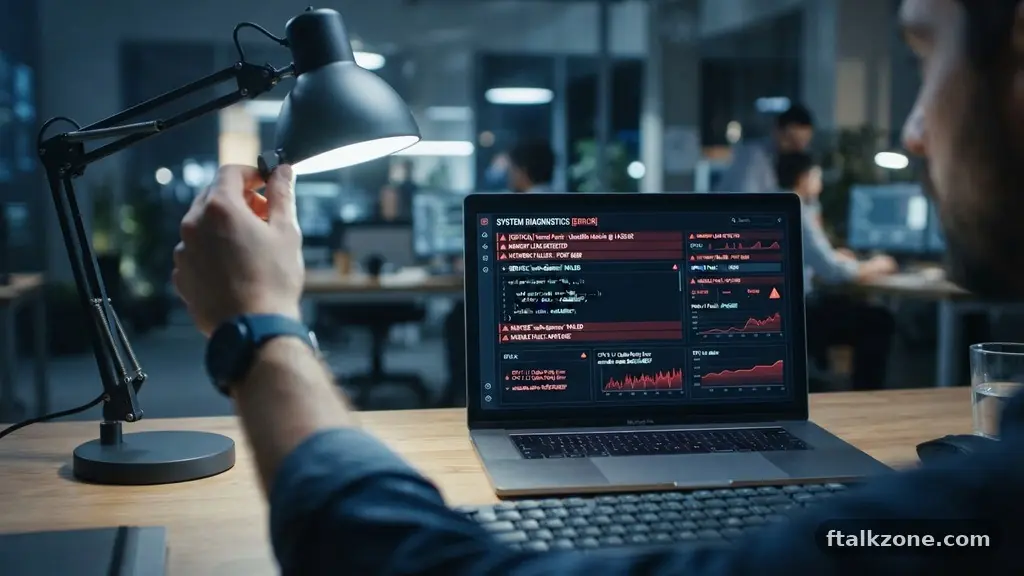
If you are technically inclined, diving into the log files can provide the exact reason for an error. Most professional-grade software generates a log file that records every event, including the precise moment of a crash.
Look for a folder labeled “Logs” or “Logs/Errors” within the application’s installation directory. Opening these text files often reveals a specific error code or a missing file path that points directly to the source of the trouble.
Clearing the cache is another effective diagnostic step. Locate the folder where the application stores its temporary data and move it to a safe location, or delete it if you are sure it contains no critical work.
Upon restarting, the software will generate a fresh, clean cache. This often resolves minor glitches caused by residual data from previous sessions.
Comparison of Diagnostic Techniques
To help you decide which troubleshooting method to prioritize, use the following table to understand the impact and complexity of each approach.
| Method | Complexity | Best Used For |
|---|---|---|
| Restarting System | Very Low | General performance dips or sudden hangs |
| Clearing Cache | Medium | Interface glitches or file loading errors |
| Reinstalling Software | Medium | Corrupted executable files or missing components |
| Updating Drivers | High | Graphics issues or hardware communication failures |
Safety Tips for Software Maintenance
Maintaining the health of your digital environment requires a proactive approach to security. When you encounter a problem on Llekomiss software, avoid downloading “repair tools” from unofficial third-party websites.
These sites often host malware disguised as helpful utilities. Always stick to the official developer’s website for patches, updates, and support documentation.
Always maintain a robust backup strategy for your important files. Before attempting any major reinstallation or system modification, ensure your data is saved on an external drive or a cloud storage service.
If a repair process goes wrong, you will have the peace of mind knowing your work is safe. Finally, keep your operating system’s firewall active, as it provides an essential layer of defense against unauthorized applications attempting to alter your system files.
- Always download updates from official, verified sources only.
- Back up your project files before performing a clean reinstall.
- Monitor your system’s resource usage to detect memory leaks.
- Keep your operating system updated to ensure compatibility.
- Use strong, unique passwords for any cloud-synced account settings.
Frequently Asked Questions
Why does my software crash only when I am offline?
If the application requires a persistent internet connection to verify its license or sync data, it may crash when it detects a network disruption. Ensure your firewall isn’t blocking the application during periods of low connectivity, and try to keep your internet connection stable while working.
What should I do if the installer fails to complete?
An incomplete installation is often caused by insufficient disk space or restricted folder permissions. Try clearing some space on your primary drive and ensure you are logged into an account with administrative privileges before launching the installer again.
Are there specific error codes I should look for?
Yes, most errors are accompanied by a numeric or alphanumeric code. Searching for this specific code on the developer’s support forum is the fastest way to find a solution tailored to your exact scenario.
Is it safe to delete the configuration files?
Deleting configuration files will reset the application to its default settings. While this is a common fix for persistent errors, ensure you have exported any custom profiles or preferences you want to keep before proceeding.
How often should I check for updates?
You should check for updates at least once a month. If you are working on a critical project, check for updates before starting a new phase, but avoid updating in the middle of a time-sensitive task.
Final Thoughts on Software Stability
Resolving a problem on Llekomiss software is rarely a matter of luck; it is a process of elimination and careful observation. By tackling the most common causes—such as outdated drivers, corrupted cache, and missing system components—you can restore your application to full working order. Remember that your data remains your highest priority, so keep consistent backups and rely only on official support channels for technical assistance.
Technology often presents minor hurdles, but with a logical approach, you can maintain a high level of efficiency. If you find that the software remains unstable after trying these steps, reaching out to the developer’s official support team with your logs in hand is the next best move. Take your time, follow the steps carefully, and you will likely find your system running smoothly once again.

Abdul Mannan Haider is the founder and lead researcher at FtalkZone. He provides verified data on celebrity net worth, biographies, and physical stats, alongside practical tips for home improvement and family relationships. Bilal is dedicated to delivering accurate, human-first content for global readers.